
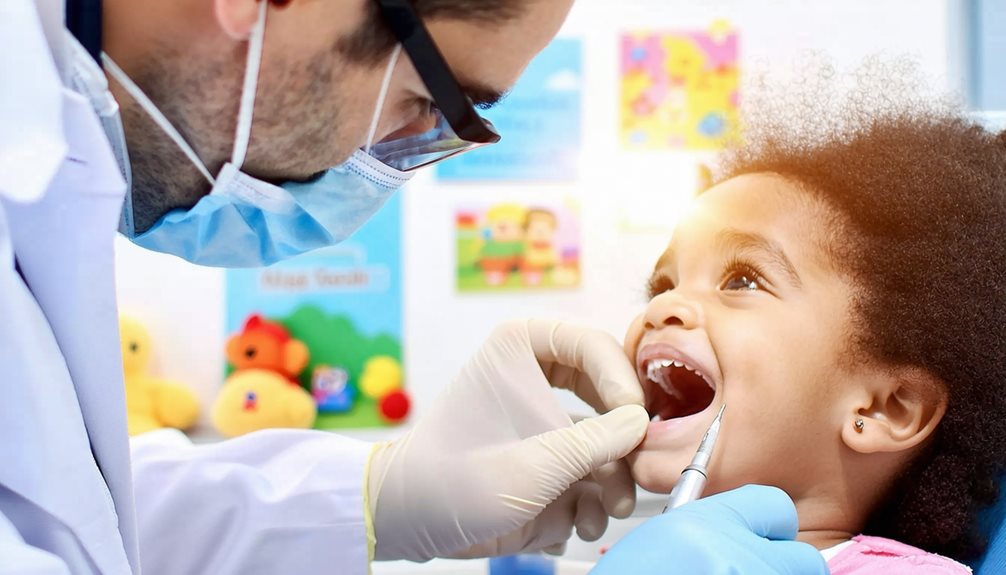
Pediatric endodontic specialists are essential for nurturing children’s dental health in a caring and effective manner. They possess expertise in child-friendly techniques that align with developmental stages, ensuring even the most apprehensive young patients feel at ease. Employing specialized equipment and advanced pain management strategies, they skillfully tailor treatments, minimizing discomfort while addressing each child’s unique dental needs. By focusing on preventative care and instilling positive oral hygiene habits early, they safeguard against future issues. Their compassionate approach with behavior management and parental involvement makes dental visits a supportive experience. Discover more about their significant role in fostering lifelong healthy smiles.
Expertise in Child-Friendly Techniques
In the domain of pediatric dentistry, empathy stands as a cornerstone in developing child-friendly techniques that guarantee a positive dental experience for young patients. Understanding child psychology is essential for pediatric endodontic specialists as they tailor their approach to meet the unique emotional and cognitive needs of children.
By employing behavior management strategies, these specialists can make certain that dental visits are not only effective but also nurturing and reassuring.
Incorporating innovative techniques, pediatric endodontic specialists create an environment that reduces anxiety and fosters trust. This involves the use of child-friendly language and interactive tools that engage young minds, transforming potentially intimidating procedures into manageable experiences.
Techniques such as ‘tell-show-do’, where the dentist explains and demonstrates each step before proceeding, are vital in aligning with a child’s developmental stage.
Moreover, the integration of behavioral cues and positive reinforcement helps in guiding children through their dental journey. By recognizing and addressing individual fears and anxieties, specialists can adapt their methods to suit each child’s temperament.
This personalized approach not only enhances the child’s comfort but also cultivates a lifelong positive attitude toward dental care, setting a foundation for ideal oral health.
Advanced Pain Management Strategies
Pain management is an essential aspect of pediatric endodontics, where understanding and mitigating discomfort is paramount to guaranteeing a positive dental experience for young patients.
Pediatric endodontic specialists employ innovative strategies to alleviate pain, offering a compassionate approach tailored to children’s unique needs. Multimodal analgesia, which combines different types of pain relief methods, is a cornerstone of these advanced strategies, helping to target pain from multiple angles for effective relief.
In addition to traditional pharmacological solutions, specialists integrate behavioral management techniques to further ease anxiety and discomfort. By creating a calm and friendly environment, they help children feel safe and engaged, minimizing fear and stress during procedures.
Some of the advanced strategies include:
- Distraction techniques: Utilizing toys, videos, or storytelling to shift the child’s focus away from the procedure.
- Positive reinforcement: Rewarding children for their cooperation and bravery during treatment.
- Relaxation exercises: Teaching simple breathing exercises or visualization techniques to help children remain calm.
- Parental involvement: Encouraging parents to be present and supportive, fostering a sense of security for the child.
These innovative approaches guarantee that pediatric endodontic care is not only effective but also nurturing and child-friendly.
Specialized Equipment for Young Patients
When treating young patients in pediatric endodontics, the use of specialized equipment is essential for creating a comfortable and effective experience. Pediatric tools are meticulously designed to cater to the unique anatomical and psychological needs of children, ensuring that their dental visits are as stress-free as possible.
Innovative instruments, such as smaller-sized handpieces and digital imaging devices, are crafted to fit comfortably in a child’s mouth, reducing anxiety and enhancing the practitioner’s precision.
Dental comfort is paramount, and the tailored nature of these tools plays a significant role in achieving it. For example, electric pulp testers and lightweight rubber dams are engineered to minimize discomfort while ensuring successful treatment outcomes.
Advanced sedation delivery systems also contribute to a soothing atmosphere, allowing young patients to relax and feel secure during procedures.
Moreover, the use of cutting-edge technology, such as laser-assisted endodontics, exemplifies the commitment to providing gentle care. These lasers reduce the need for traditional drilling, which can be intimidating for children.
Focus on Long-Term Oral Health
Focusing on long-term oral health in children involves early intervention, which can prevent minor issues from becoming major problems.
By implementing preventative care strategies, pediatric endodontic specialists guarantee that children maintain healthy smiles as they grow.
Monitoring growth and development is essential, as it allows for timely adjustments and care tailored to each child’s unique needs.
Early Intervention Benefits
Early intervention in pediatric endodontics plays an essential role in ensuring long-term oral health for children. By prioritizing early diagnosis and employing preventive measures, pediatric endodontic specialists can address potential dental issues before they escalate. This proactive approach not only safeguards the child’s immediate oral health but also sets the foundation for a lifetime of healthy teeth and gums.
Incorporating early intervention strategies offers several benefits:
-
Timely Identification: Early diagnosis allows specialists to detect dental problems at their inception, facilitating prompt treatment and minimizing complications.
-
Preservation of Natural Teeth: By addressing issues early, there’s a higher likelihood of preserving a child’s natural teeth, which is vital for proper jaw development and oral functions.
-
Reduced Anxiety: Children who receive early dental care often experience less anxiety about dental visits, fostering a positive relationship with oral health care.
-
Enhanced Self-Esteem: Maintaining a healthy smile boosts a child’s confidence and self-esteem, encouraging them to engage socially without hesitation.
Pediatric endodontic specialists, through their innovative and compassionate approach, empower children and their families by highlighting the importance of preventive measures.
This focus on early intervention not only prevents complex dental procedures in the future but also nurtures a healthy, confident generation.
Preventative Care Strategies
A child’s journey to lifelong oral health begins with effective preventative care strategies, thoughtfully designed by pediatric endodontic specialists. These experts understand that fostering strong oral hygiene habits from an early age can greatly reduce the risk of tooth decay and other dental issues.
They employ innovative techniques and tailor their approach to suit the unique needs of each child, making dental care an engaging and non-intimidating experience.
Preventative care strategies often include educating both children and their caregivers about proper brushing and flossing techniques, emphasizing the importance of a balanced diet, and regular dental check-ups.
Pediatric endodontic specialists utilize advanced tools to demonstrate how tooth decay can be prevented through consistent oral hygiene practices, encouraging children to take an active role in maintaining their oral health.
Furthermore, these specialists are adept at identifying potential risk factors for tooth decay early on. By evaluating individual habits and environmental factors, they can provide personalized recommendations to mitigate these risks.
This proactive approach not only preserves the integrity of primary teeth but also sets the stage for healthy, resilient permanent teeth.
Ultimately, the compassionate care provided by pediatric endodontic specialists guarantees that children grow up with a positive and empowered perspective towards their oral health.
Growth and Development Monitoring
In addition to preventative care strategies, monitoring the growth and development of a child’s oral health is an essential aspect that pediatric endodontic specialists prioritize for ensuring long-term well-being.
Recognizing the significance of developmental milestones and growth patterns, these specialists provide tailored care that adapts to each child’s unique needs, fostering a foundation for lifelong oral health.
Growth and development monitoring involves a thorough approach to assess and guide the evolving oral landscape of young patients.
Pediatric endodontic specialists employ innovative techniques and technologies to track changes and address potential issues before they become problematic.
Key areas of focus include:
- Emergence of Primary and Permanent Teeth: Ensuring teeth erupt in the right sequence and position to support healthy development.
- Jaw Growth and Alignment: Monitoring jaw development to identify discrepancies that may require intervention to prevent future complications.
- Cavity Risk Assessment: Evaluating growth patterns to determine susceptibility to cavities and implementing preventive measures.
- Behavioral Guidance: Educating children and parents on proper oral hygiene practices that evolve with the child’s growth.
Through compassionate and targeted monitoring, pediatric endodontic specialists are pivotal in nurturing a child’s oral health journey, ensuring they achieve and maintain ideal dental health throughout their lives.
Customized Treatment Plans
For pediatric endodontic specialists, crafting customized treatment plans is vital to addressing the unique dental needs of each child.
A pediatric endodontist’s ability to innovate and customize solutions is essential in fostering ideal oral health outcomes. By integrating the latest advancements in dental technology and techniques, specialists can design plans that are not only effective but also minimally invasive and comfortable for children. This commitment to innovation guarantees that children receive care that is both cutting-edge and compassionate.
Moreover, customized treatment plans emphasize preventive care, aiming to address potential issues before they become problematic. This proactive approach supports long-term dental health and helps instill positive dental experiences for children, reducing anxiety associated with dental visits.
Supportive Care Environment
Creating a supportive care environment is paramount in pediatric endodontics, where the emotional and psychological well-being of young patients is as essential as their dental health. This specialized field emphasizes the need to craft spaces that naturally blend a playful atmosphere with patient comfort, guaranteeing children feel safe and secure.
Pediatric endodontic specialists are keenly aware that an innovative approach to care can transform a child’s dental experience from intimidating to delightful.
Incorporating elements that cater to a child’s unique needs can notably enhance their experience. Consider the following:
-
Playful atmosphere: Integrating colorful designs and interactive elements can soothe anxiety and create a welcoming environment.
-
Patient comfort: Comfortable seating and child-sized dental equipment guarantee physical ease, allowing children to focus on fun distractions.
-
Educational tools: Age-appropriate educational materials can empower children by explaining procedures in a way they understand, fostering trust and cooperation.
-
Personalized interaction: Specialists trained in child psychology can effectively communicate with young patients, tailoring their approach to match individual emotional needs.
Frequently Asked Questions
How Do Pediatric Endodontic Specialists Collaborate With General Dentists?
Pediatric endodontic specialists collaborate with general dentists through interdisciplinary teamwork and efficient referral processes, ensuring thorough care. This collaboration fosters innovative treatment solutions, enhancing children’s dental health while providing compassionate, educational experiences tailored specifically to young patients’ unique needs.
What Qualifications Are Required to Become a Pediatric Endodontic Specialist?
Becoming a pediatric endodontic specialist requires completing dental school, followed by specialized educational requirements in pediatric dentistry. The certification process entails rigorous training, fostering innovation and compassion, ensuring specialists can effectively care for children’s unique dental needs.
How Do Specialists Handle Emergency Dental Situations in Children?
In emergency dental situations, pediatric endodontic specialists implement tailored emergency protocols to effectively manage child anxiety. They employ innovative, compassionate techniques ensuring children feel secure and informed, thereby facilitating prompt, effective treatment while minimizing distress.
Are There Specific Age Ranges Pediatric Endodontic Specialists Focus On?
Pediatric endodontic specialists focus on ages 0-18, tailoring treatment timelines to developmental considerations. Their compassionate, innovative approach guarantees age-appropriate care, addressing unique dental needs through each growth stage, fostering lifelong oral health habits.
How Do These Specialists Communicate Treatment Plans to Parents?
Pediatric endodontic specialists guarantee treatment clarity by using clear, empathetic communication. They actively involve parents, fostering a collaborative approach. This innovative strategy enhances understanding, creating a supportive environment for families managing their child’s dental care.
Conclusion
Pediatric endodontic specialists play an essential role in children’s dental health by utilizing child-friendly techniques and advanced pain management strategies. Their expertise in using specialized equipment tailored for young patients guarantees a comfortable and effective treatment experience. By focusing on long-term oral health, they develop customized treatment plans that address the unique needs of each child. The supportive care environment fosters trust and confidence, promoting positive dental experiences and encouraging lifelong oral health habits in young patients.
